
Real Talk About Selling
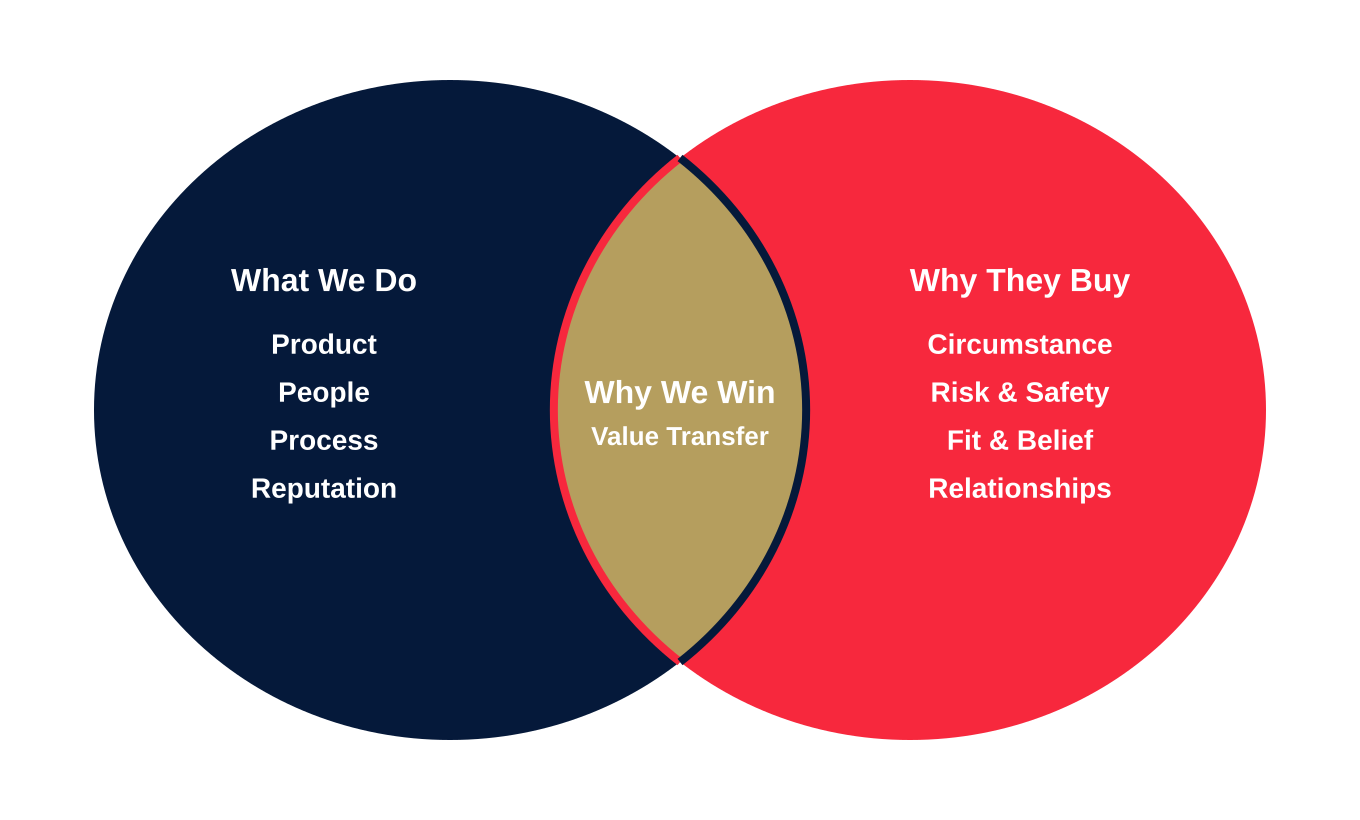
What is Understood Doesn’t Need to Be Discussed. Except it Does.
Most sales teams are winning on instinct, and the instinct has become invisible. Here's why your best people can't tell you why they win, why it matters more now than it used to, and what good actually looks like on the other side of the work.

You Might Actually Have a Prospecting Problem
The warmer channels are not infinite. At some point, expansion plateaus, referrals slow down, and the pipeline still needs to be fed. That's when prospecting stops being the default and becomes a deliberate choice. The question isn't whether to prospect. It's whether your team knows how, and whether they're thinking while they do it.

Hope Is Not An Inbound Strategy
Most salespeople think they have a prospecting problem. What they actually have is an inbound problem, and it shows up in one of three ways. Hope. Effort without architecture. Or plausible deniability. One of those is you. The question is which one, and what you're willing to do about it.

You Already Know These People
Somewhere in your network right now, there are people calling on the same customers you are. They're not competitors. They're selling something different, to the same people, and the partnerships that could be opening doors for you are sitting dormant because nobody thought to ask.

Five People a Day
The reps that win in long sales cycles are usually the ones who've been showing up consistently in the right rooms long before anyone was ready to buy. By the time the conversation matters, the relationship already exists. Strong networking habits help make the timing of deals, the biggest issue outside your control in sales, irrelevant.

The Most Underused Growth Channel You Already Have
Most salespeople don't ask for referrals. Not because they don't want them, but because they're afraid of making a good relationship awkward. Here's what that fear actually costs you, and a five-question framework for having the conversation the right way.

Start With Who’s Already at the Table
Before you go looking for new customers, take a hard look at the ones you already have. Most reps take their best accounts for granted, counting on them for the lion's share of growth expectations while doing almost nothing intentional to develop them. The revenue feels reliable until it isn't. What's missing isn't effort. It's a plan.

You Don't Have a Prospecting Problem
I start hearing some version of this every March. Q1 closes out, the numbers look softer than expected, and the instinct is immediate: get out there and prospect. Fill the funnel. Make some calls. But confusing the channel you have the most control over with the most effective channel is one of the most expensive mistakes a sales team can make.

When the Secret Sauce Walks Out The Door
Bob's been your top performer for 20 years. Sarah's been here 15. Between them, they account for close to 35% of the team's revenue. Everybody knows they're good, but nobody can explain exactly why. Then they leave. And all of that knowledge walks out the door with them.

The Onboarding Problem
Ramp time is a function of clarity. The clearer you are about what success looks like, the faster new reps can get there. If your onboarding is "shadow Bob and figure it out," you're guaranteeing a long ramp. You're finding good people. You just keep setting them up to fail.

The Assumptions Running Your Sales Team
You're in an executive team meeting, and the sales team is on the docket. Reps are taking too long to ramp. Revenue is concentrated in a few veterans. Something needs to change. So you make decisions based on... what, exactly? A hunch. A pattern you think you see. Without validation, every decision is a guess.

The Growth Ceiling
You were growing. Revenue was up. The team was hitting numbers. And then it stopped. When you can't grow by throwing money at the problem, you have to grow by getting better at what you already do. You can't replicate what you can't explain.

When Everything Sounds the Same
Hard work used to be a differentiator. Show up earlier, stay later, make more calls. That was the advice for decades and it worked, because most people weren't willing to do it. But the grind has been automated now. Effort has been commoditized. When you can't outwork the machines, you lean into the things most people still aren't willing to do.

The Real Cost of Bad-Fit Customers
Some deals aren't worth winning. That customer you knew you should have walked away from? They're still costing you. A bad fit doesn't just kill your margins, they crush your soul at the same time. When you know who you're for, you also know who you're not for.

Go-to Market or Go-to-Network?
It's an arms race for access, and as the tech advances, so do the obstacles placed between our prospective clients and us. Going to your network is a massively underutilized way to grow your book of business. 89% of customers would be willing to provide a referral if asked, but only about 10% of sales reps are willing to ask. Choose your hard.

Make It Stick
You've excavated what your best people actually do. You've validated it with your best customers. Most companies never get this far. But you have. Now what? Without integration, the knowledge stays in a slide deck. That's not transformation. That's a workshop.

Assumption vs. Evidence
If I asked 100 salespeople why their best customers buy from them, 5 would actually know, 15 would guess correctly, and 80 would be completely shocked by the real answer. Everything is an assumption until you meet reality. Here's how to stop guessing and start knowing.

The Boardroom Work
The best salespeople do things that many others don’t, but few can actually explain what those things are. It takes work to excavate these differentiators, and you need to go 2-3 levels deeper than you think you do. You know you're still on the surface when your differentiators sound like "relationships," "trust," and "we really care." Those aren't wrong, but they're not different. Here's how to excavate what's underneath.
Measuring The Stuff That Matters
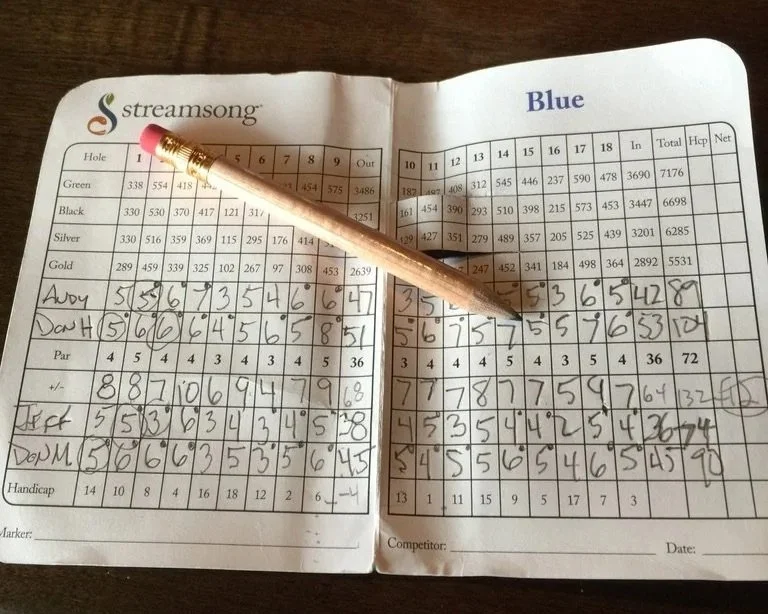
The biggest problem in sales isn't effort. It's knowing when your effort is actually enough. In 2008, I discovered a simple point system that transformed how I approached sales. By tracking four key activities with a weekly point goal of 25, I tripled my territory revenue in 17 months while cutting my work hours in half. That's a 9x return. The system helped me focus on leading indicators—prospecting, scheduling meetings, meaningful conversations, and getting commitments—instead of obsessing over lagging indicators like revenue. More importantly, it gave me peace of mind. I finally knew when "enough was enough," which let me stop spinning my wheels and start actually growing. Whether you're carrying a bag or leading a team, this scorable sales system can help you measure what matters and know exactly when your efforts are sufficient to drive results.

Your Secret Sales Weapon
Most companies struggle to articulate what makes them different. They talk about "white-glove service" and "deep expertise"—things their competitors also claim. When everyone says the same thing, no one says anything. The solution isn't just knowing your value proposition; it's being hyper-specific about it. And there's a cheat code most people ignore: writing. When you're forced to put words in black and white for someone outside your business, you can't hide behind shared context or assumptions. You have to be precise. That's where real clarity happens.
